
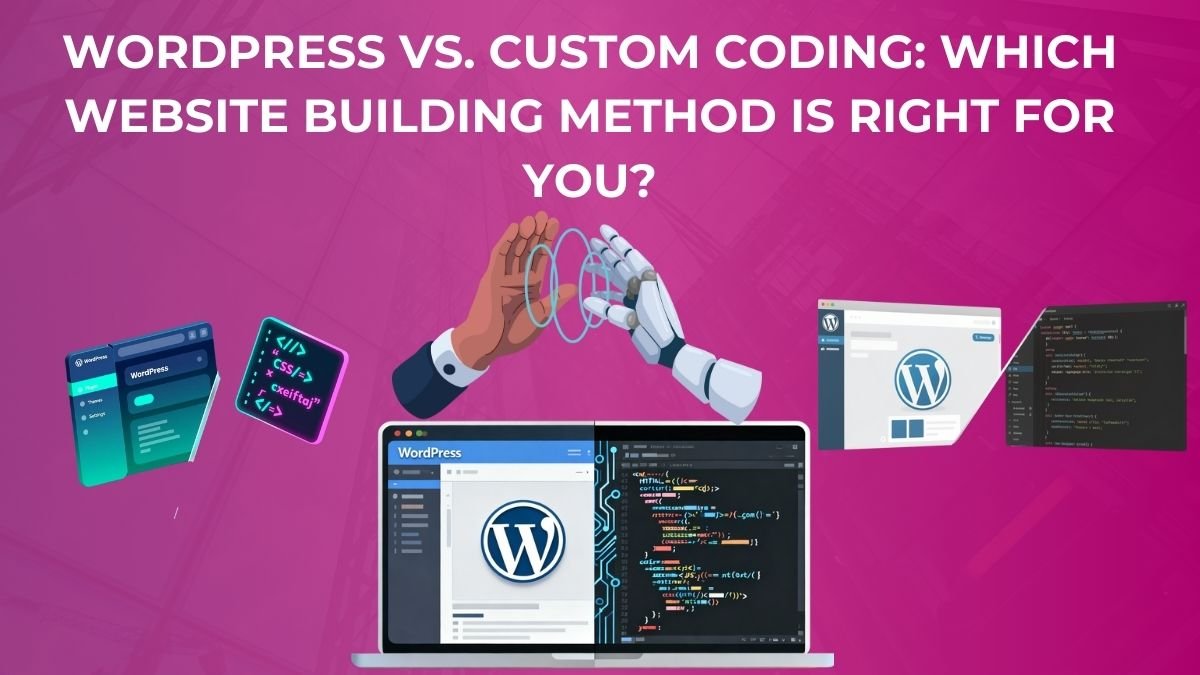
Building a website today is no longer optional it is a fundamental part of establishing credibility, attracting customers, and driving business growth. Whether you are a startup, small business, enterprise, or entrepreneur, one of the first and most important decisions you’ll face is how your website should be built.
The two most popular approaches are WordPress development and custom-coded websites. Each method has its own strengths, limitations, costs, and ideal use cases. Choosing the wrong option can lead to wasted money, poor performance, scalability issues, or future security risks.
In this detailed guide, we’ll break down WordPress vs. custom coding in a clear, practical way so you can confidently decide which website building method is right for your business goals.

Understanding WordPress Website Development
WordPress is the most widely used content management system (CMS) in the world. Launched initially as a blogging platform, it has evolved into a powerful, flexible system capable of supporting everything from small-business websites to enterprise-level platforms.
Key Features of WordPress
WordPress is known for its ease of use and flexibility. It allows users to manage website content without requiring deep technical knowledge. With thousands of themes and plugins available, WordPress enables rapid website development and customization.
Core strengths include:
- A user-friendly dashboard
- Extensive plugin ecosystem
- Thousands of pre-designed themes
- Strong community support
- Built-in SEO-friendly structure
WordPress is particularly popular among businesses that need a functional, professional website without spending months on development.
What Is Custom Coding in Website Development?
Custom coding involves building a website from scratch using programming languages such as HTML, CSS, JavaScript, PHP, or Python, or frameworks like React, Angular, or Laravel. Unlike WordPress, custom-coded websites do not rely on pre-built themes or plugins.
Every feature, layout, and function is designed and developed specifically for the project’s requirements.
Key Characteristics of Custom-Coded Websites
Custom development offers complete control over the website’s architecture and performance. Developers write every line of code based on exact specifications.
Core characteristics include:
- Fully tailored functionality
- Unique user experience and design
- High-performance optimization
- Advanced security control
- No dependency on third-party plugins
Businesses with complex workflows, proprietary systems, or unique technical needs often choose custom coding.
Ease of Use and Content Management
One of the most significant differences between WordPress and custom coding lies in usability.
WordPress Ease of Use
WordPress is designed for non-technical users. Content updates, such as adding blog posts, images, pages, or products, can be done without writing code. This makes it ideal for marketing teams, content creators, and business owners who want to be independent of developers.
The availability of visual editors and page builders further simplifies content management.
Custom Coding Usability
Custom-coded websites usually require developer involvement for updates or changes unless a custom admin panel is built. While it’s possible to create user-friendly dashboards, doing so adds time and cost to the development process.
For businesses without in-house technical teams, this can slow down content updates and ongoing changes.
Design Flexibility and Customization
WordPress Design Capabilities
WordPress offers thousands of themes that can be customized to match brand guidelines. Page builders and custom CSS allow additional flexibility. However, themes often come with predefined layouts, which may limit originality unless significant customization is applied.
For most businesses, WordPress provides more than enough design flexibility.
Custom Coding Design Freedom
Custom coding offers unlimited design freedom. Themes or templates do not constrain designers and developers. Every animation, layout, and interaction can be built exactly as envisioned.
This approach is ideal for brands that want a highly distinctive digital identity or advanced interactive features.
Development Time and Speed to Market
WordPress Development Timeline
WordPress websites can be launched quickly. Pre-built themes and plugins significantly reduce development time. A basic website can be live within days or weeks, making WordPress a strong choice for businesses that need fast deployment.
Custom Coding Timeline
Custom-coded websites take longer to develop because everything is built from the ground up. Planning, design, development, testing, and optimization require more time.
For complex platforms, development can take several months.
Cost Considerations
WordPress Cost Structure
WordPress itself is free, but costs may include:
- Premium themes
- Paid plugins
- Hosting
- Development customization
- Ongoing maintenance
Overall, WordPress is generally more cost-effective, especially for small to mid-sized businesses.
Custom Coding Costs
Custom development requires higher upfront investment. Costs include:
- Design and UX research
- Frontend and backend development
- Testing and deployment
- Ongoing technical maintenance
While more expensive initially, custom coding can be cost-efficient in the long term for large-scale or highly specialized platforms.
Performance and Speed
WordPress Performance
WordPress performance depends heavily on hosting quality, theme structure, and plugin usage. Poorly optimized plugins can slow down a site, but with proper optimization, caching, and performance-focused hosting, WordPress sites can load quickly and perform well.
Custom Coding Performance
Custom-coded websites are often faster because they contain only the necessary code. There is no plugin overhead, and performance can be optimized at a granular level.
For applications where speed and efficiency are critical, custom coding offers an advantage.
Security and Stability
WordPress Security
WordPress is secure when properly maintained, but its popularity makes it a frequent target for attacks. Security risks often come from outdated plugins, themes, or weak hosting environments.
Regular updates, security plugins, and best practices significantly reduce vulnerabilities.
Custom Coding Security
Custom-coded websites can be highly secure because they are not built on widely targeted platforms. Security measures are implemented based on specific requirements, reducing exposure to common attacks.
However, security depends entirely on developer expertise and ongoing maintenance.
Scalability and Future Growth
WordPress Scalability
WordPress can scale effectively with the proper infrastructure and development practices. Many high-traffic websites successfully use WordPress. However, highly complex systems may eventually face limitations without significant customization.
Custom Coding Scalability
Custom-coded websites are designed with scalability in mind from the start. They are ideal for platforms that expect rapid growth, complex integrations, or evolving functionality.
If long-term expansion is a primary concern, custom development provides greater flexibility.
SEO and Marketing Capabilities
WordPress SEO Advantages
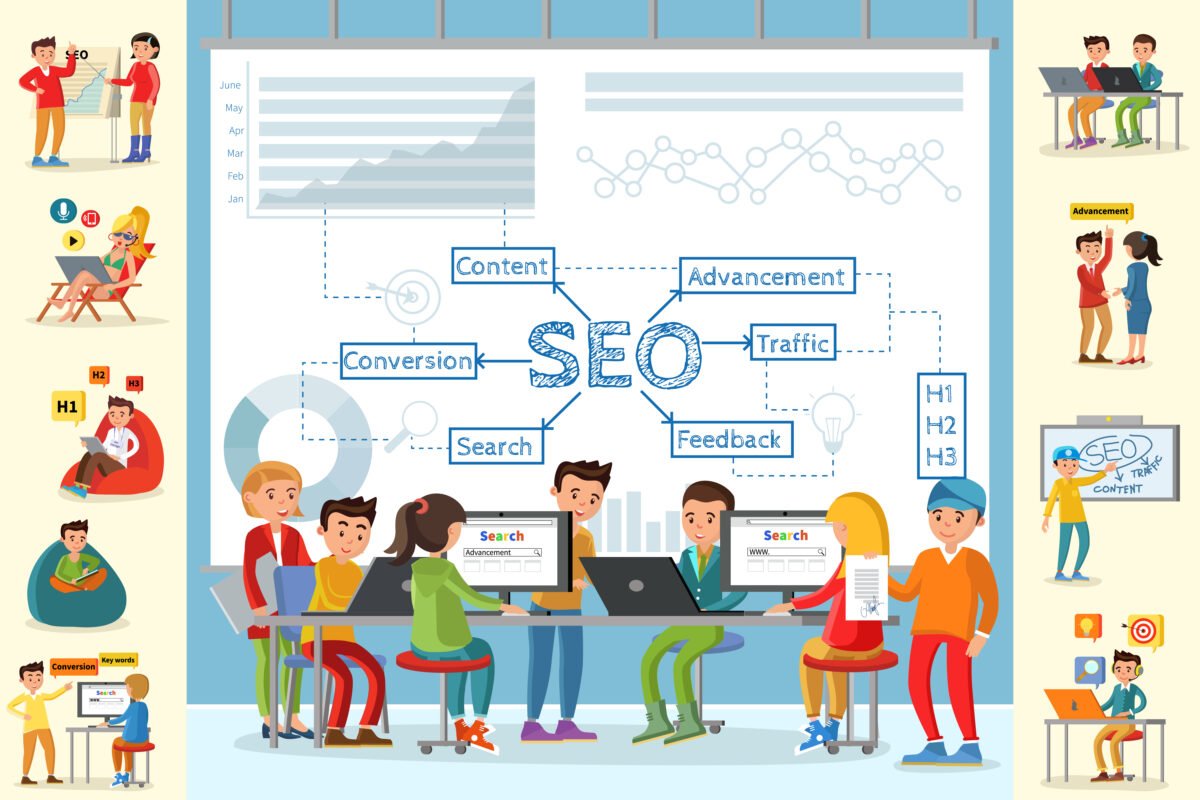
WordPress is inherently SEO-friendly. Clean URLs, fast indexing, and powerful SEO plugins make optimization easier. Content creation and blog management are seamless, supporting long-term organic growth.
Custom Coding and SEO
Custom-coded websites can achieve excellent SEO results, but optimization must be handled manually. This requires deeper technical expertise and ongoing attention.
For content-driven marketing strategies, WordPress offers a more streamlined approach.
Maintenance and Ongoing Support
WordPress Maintenance
WordPress requires regular updates for core software, plugins, and themes. While this can be automated, ongoing monitoring is necessary to avoid compatibility issues.
Custom Coding Maintenance
Custom-coded websites require continuous technical support. Bug fixes, updates, and feature enhancements depend on developer availability.
Maintenance costs are typically higher but more controlled.
Which Option Is Right for You?
Choose WordPress if:
- You want a fast and cost-effective solution
- Content updates need to be simple
- SEO and blogging are priorities
- Your website requirements are standard or moderately complex
Choose Custom Coding if:
- You need unique, complex functionality
- Performance and security are critical
- You want complete control over architecture
- Your platform is expected to scale significantly
Final Thoughts and Expert Support
There is no one-size-fits-all answer when deciding between WordPress and custom coding. The right choice depends on your business goals, technical needs, budget, and growth strategy. Many successful businesses even combine both approaches—using WordPress for content management while implementing custom-coded components for advanced functionality.
If you are evaluating options with the guidance of a Custom WordPress development company, or exploring professional WooCommerce Development Services and WordPress Augmentation Development Services, working with experienced specialists like HireWPExperts can help ensure your website is built for performance, scalability, and long-term success.